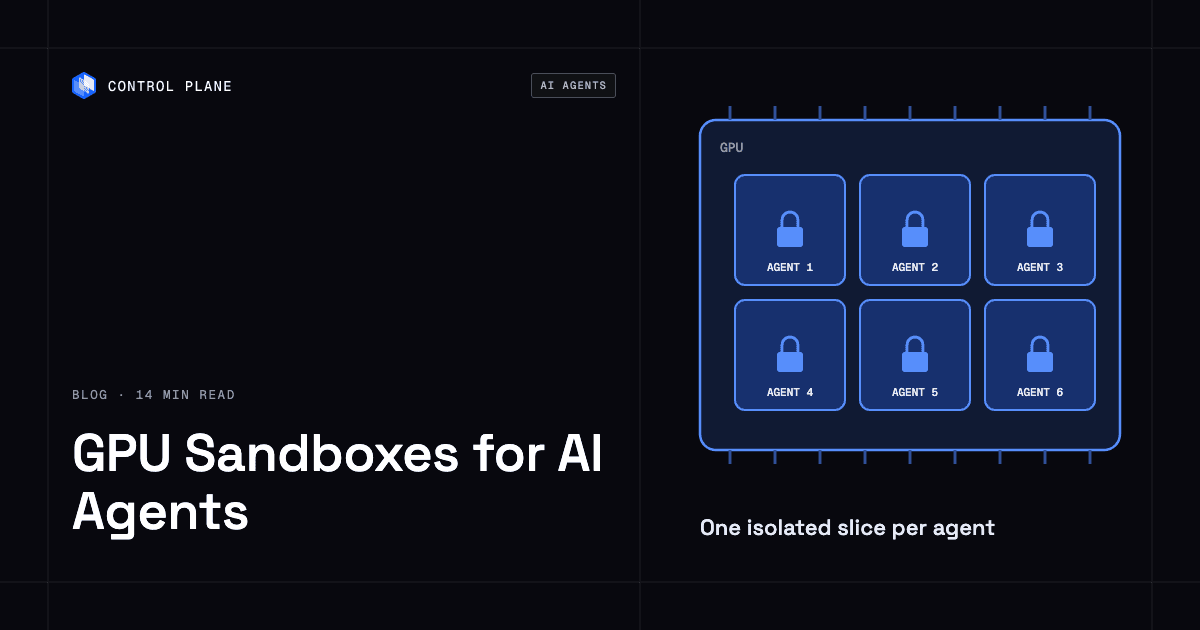
Which isolation options work with GPUs, how MIG, MPS, and time-slicing isolate agents, and the controls to give untrusted agent code a GPU safely.
Blog
From the Control Plane blog
Cloud-native engineering, multi-cloud strategy, and platform deep-dives.
All posts
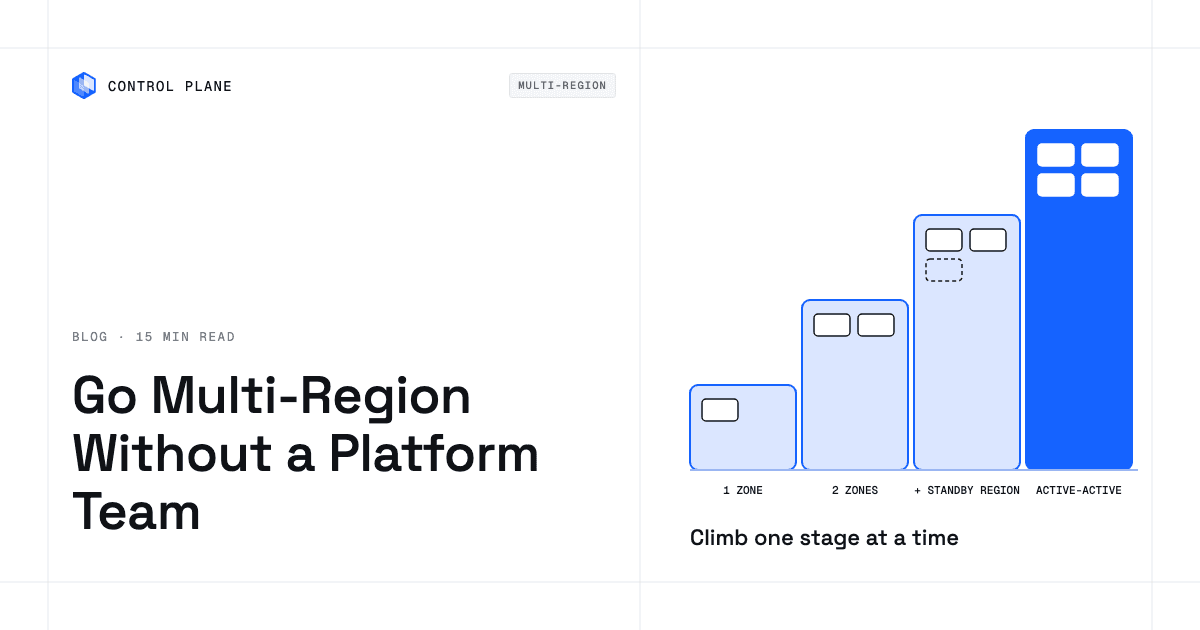
The app changes, database options, and ongoing work at each stage from a single-region prototype to multi-region, for teams without a platform team.
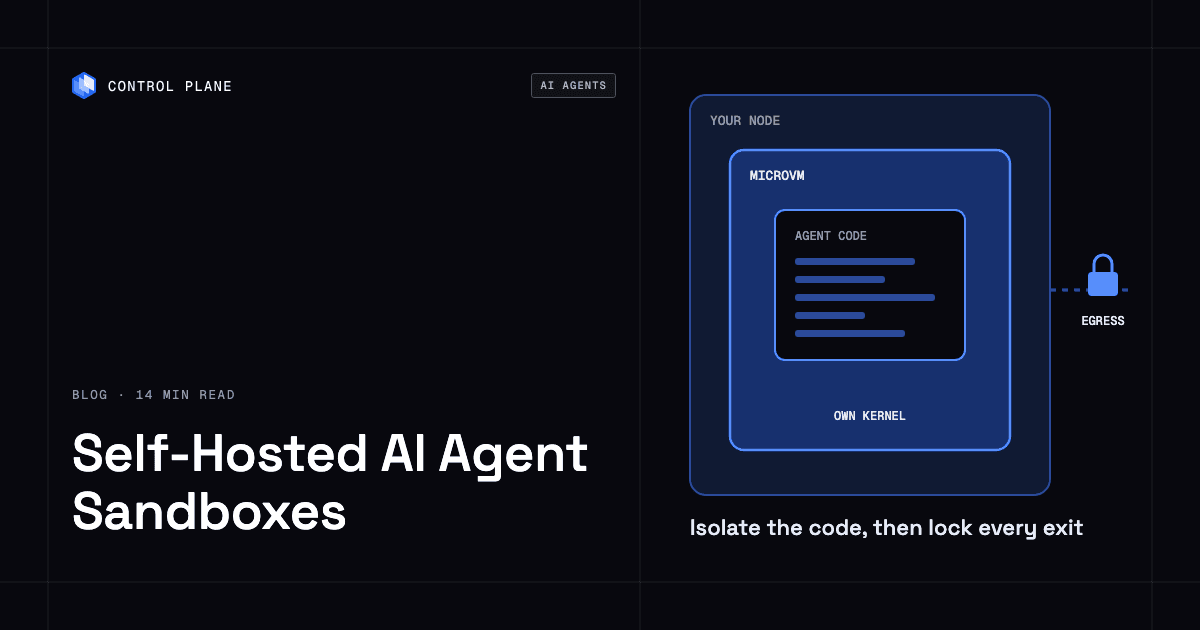
Isolation runtimes, Kubernetes options on EKS, GKE, and AKS, project status, and the egress and credential controls for self-hosted AI agent sandboxes.
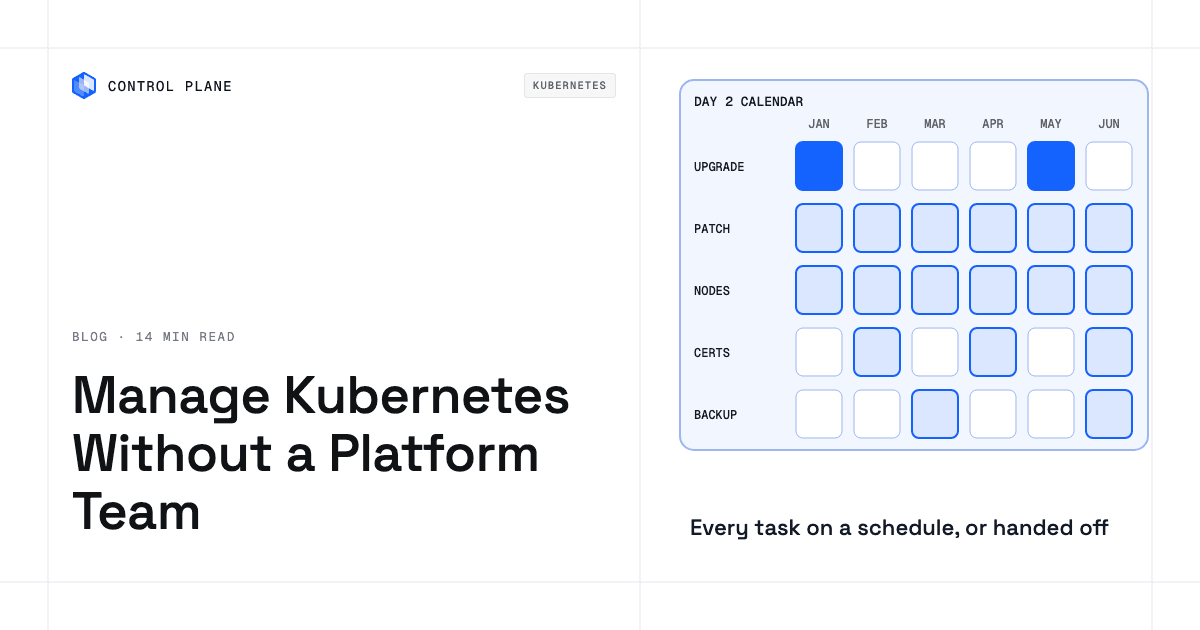
The Day 2 calendar for Kubernetes clusters, version support and extended-support costs on EKS, GKE, and AKS, and ways a small team can shrink the work.
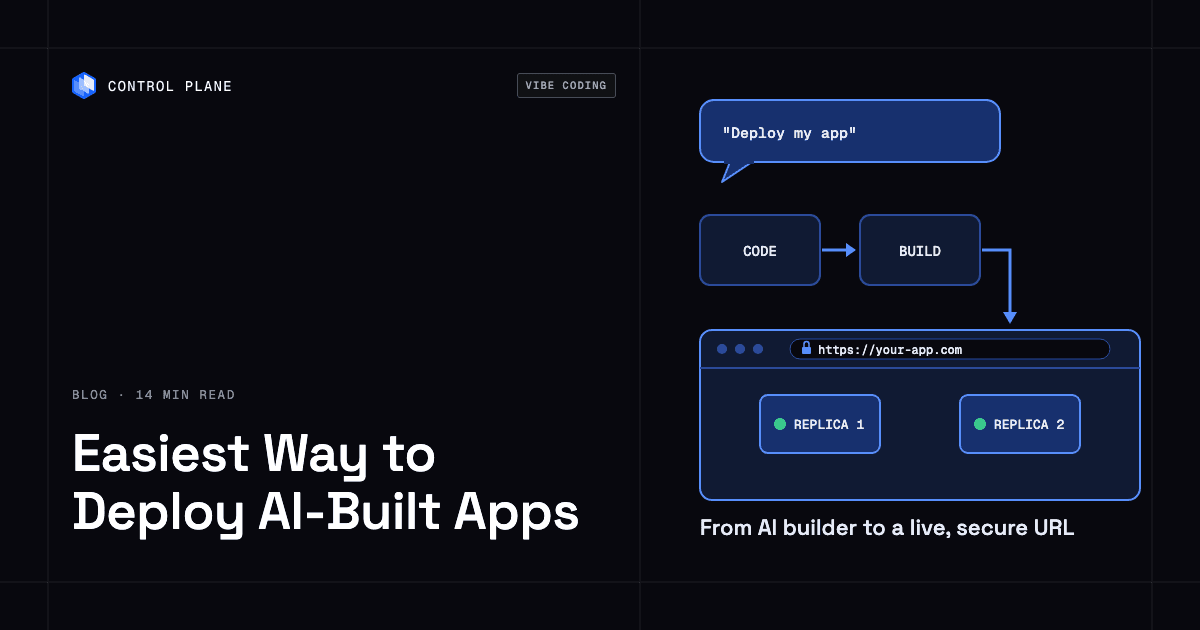
What Lovable, Bolt.new, v0, Replit, Cursor, and Claude Code hand you, three ways to deploy it, and a launch checklist for secrets, data, and domains.
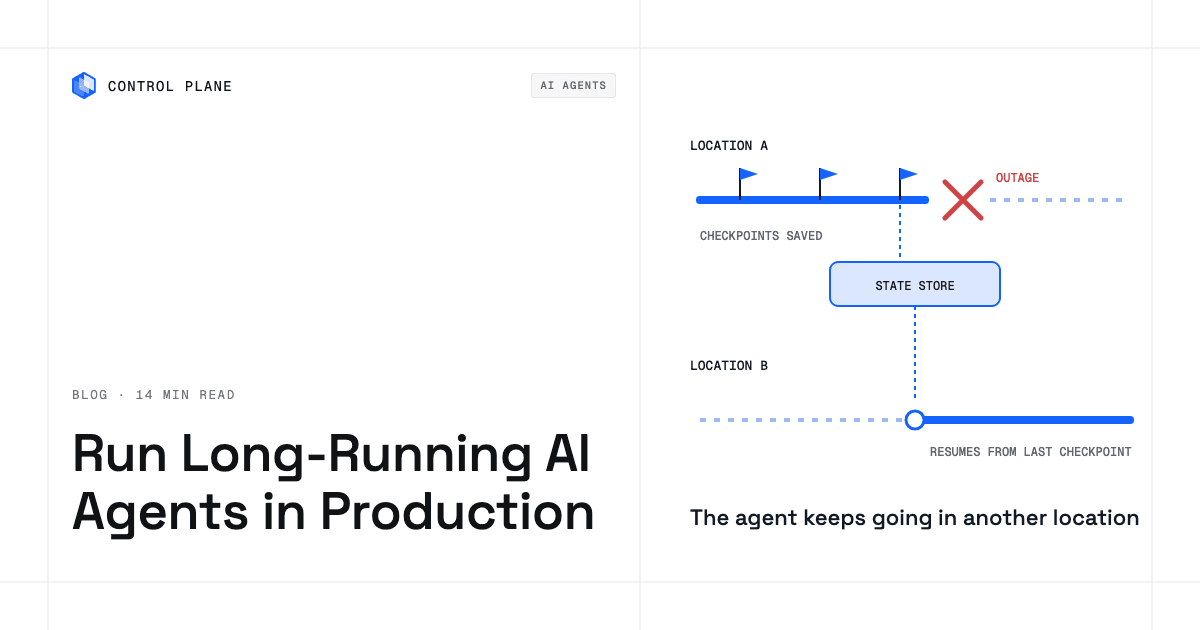
Runtime limits, durable state tools, and failure controls that keep long-running AI agents alive through restarts, deploys, and cloud provider outages.
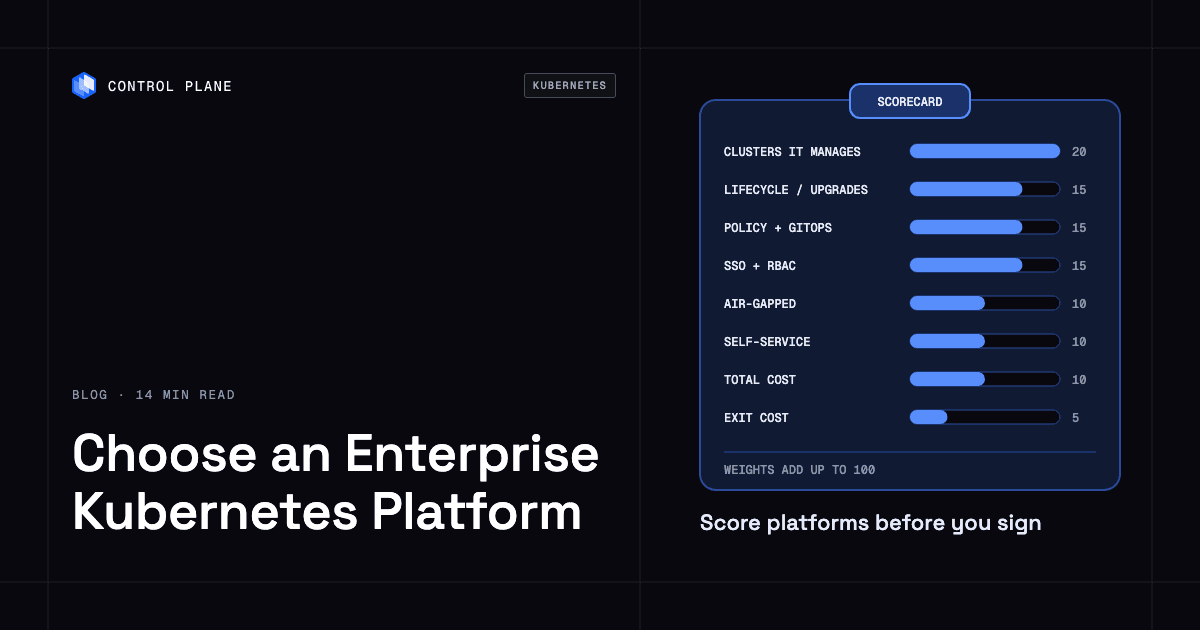
Compare 13 enterprise Kubernetes management platforms on clusters managed, air-gapped support, and pricing, then use a weighted scorecard and 30-day PoC.
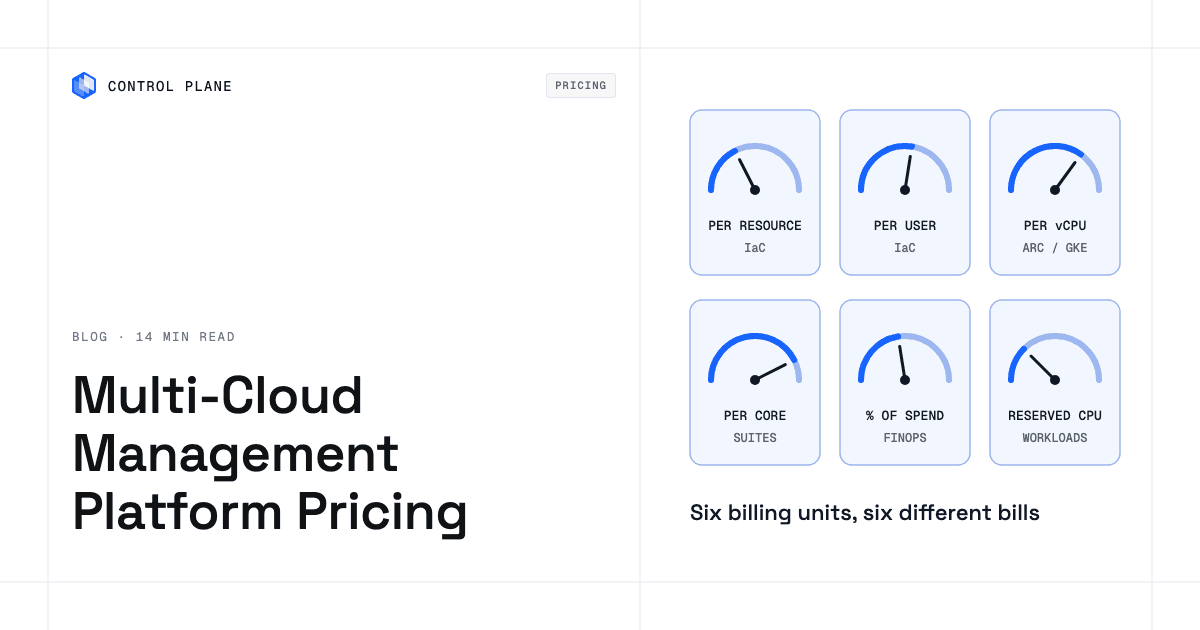
How 17 multi-cloud management platforms charge: billing units, free tiers and list prices from vendor pages, and what native cloud tools cover.
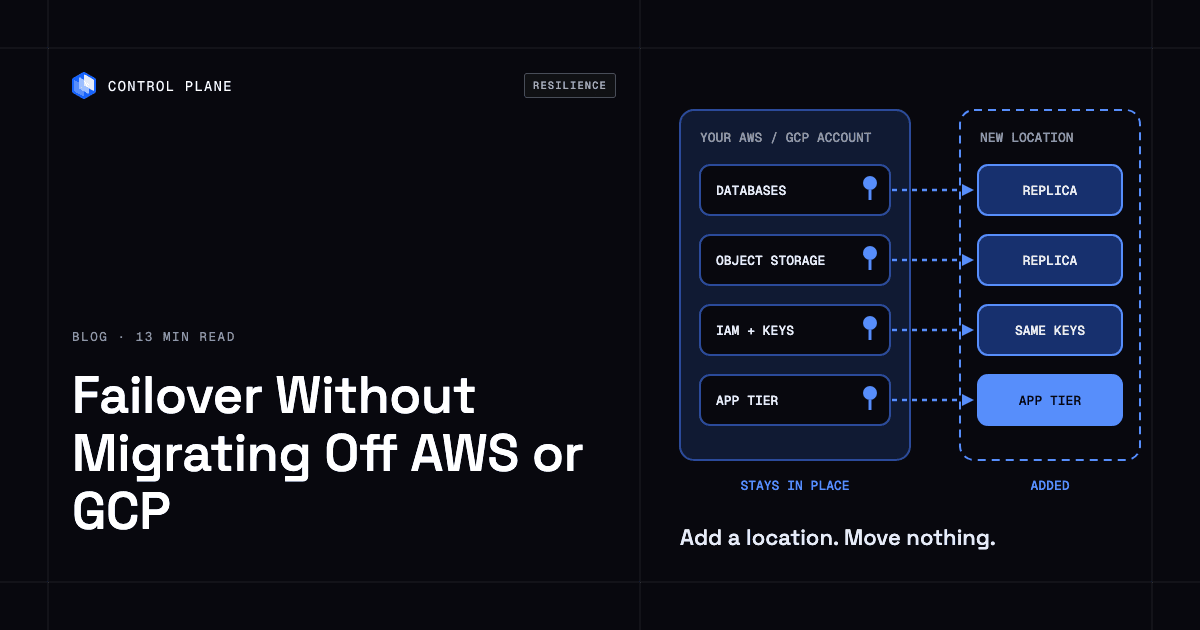
Add cross-region or cross-cloud failover while your AWS or Google Cloud accounts, databases, and IAM stay put: what replicates natively and what changes.
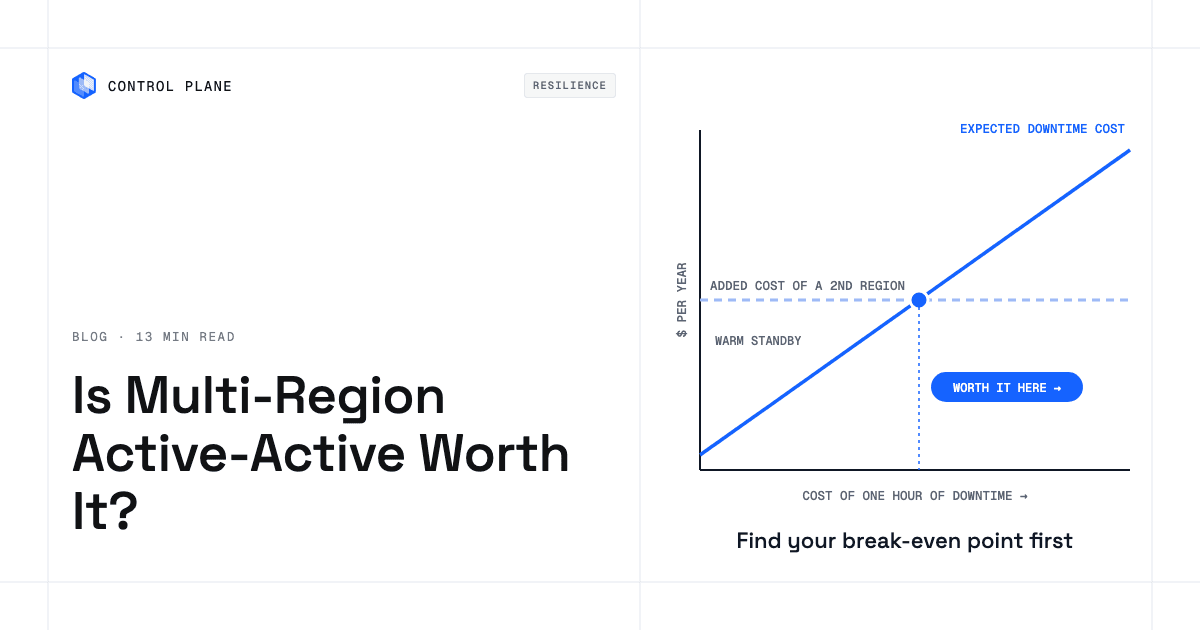
Is multi-region active-active worth the cost for a growing SaaS company? A break-even model, the triggers that change the answer, and a staged path.
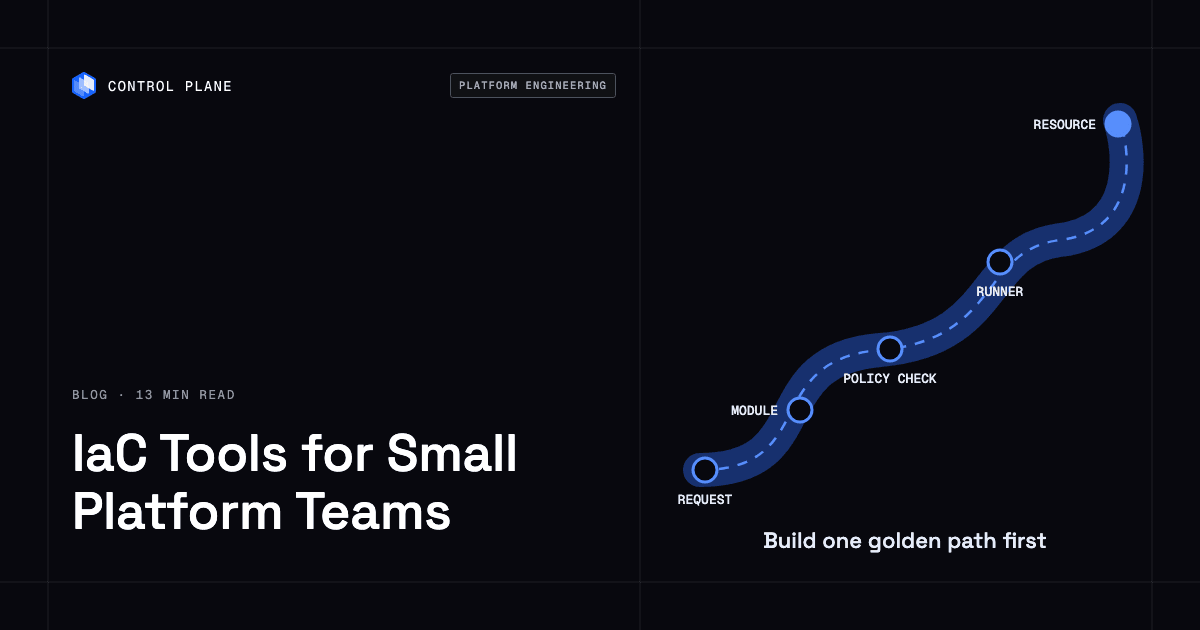
How to choose IaC tools for self-service in a small platform effort: the five layers, a selection scorecard, and the steps to your first golden path.
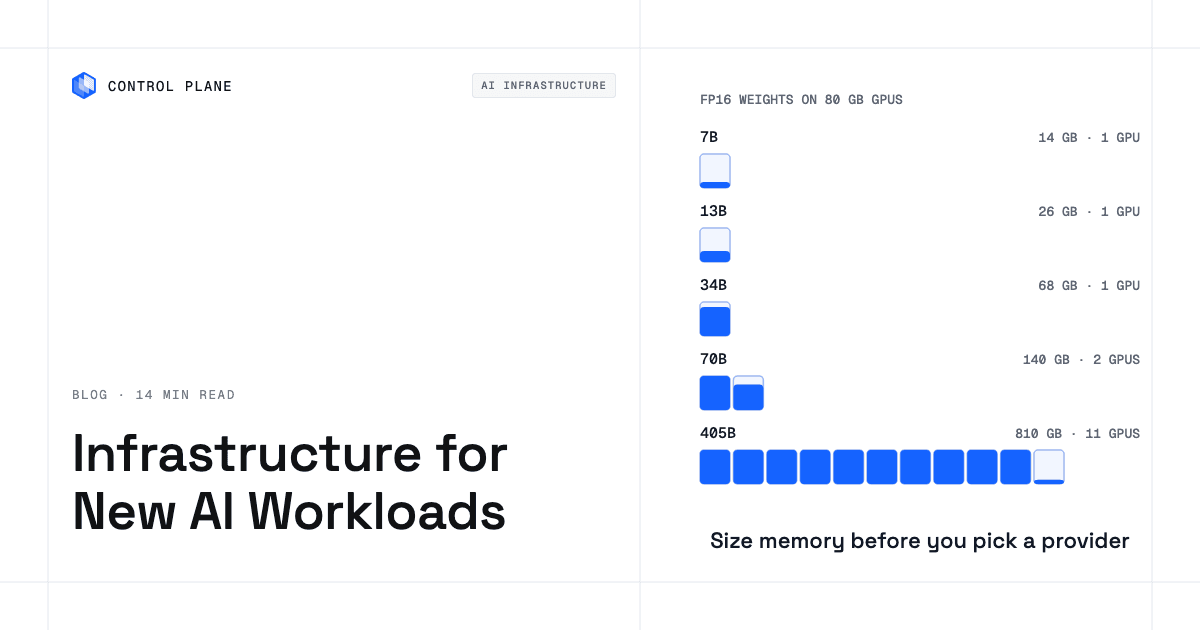
How to select infrastructure for new AI workloads: six workload types, a GPU memory sizing table, and where to run each, from APIs to your own GPUs.