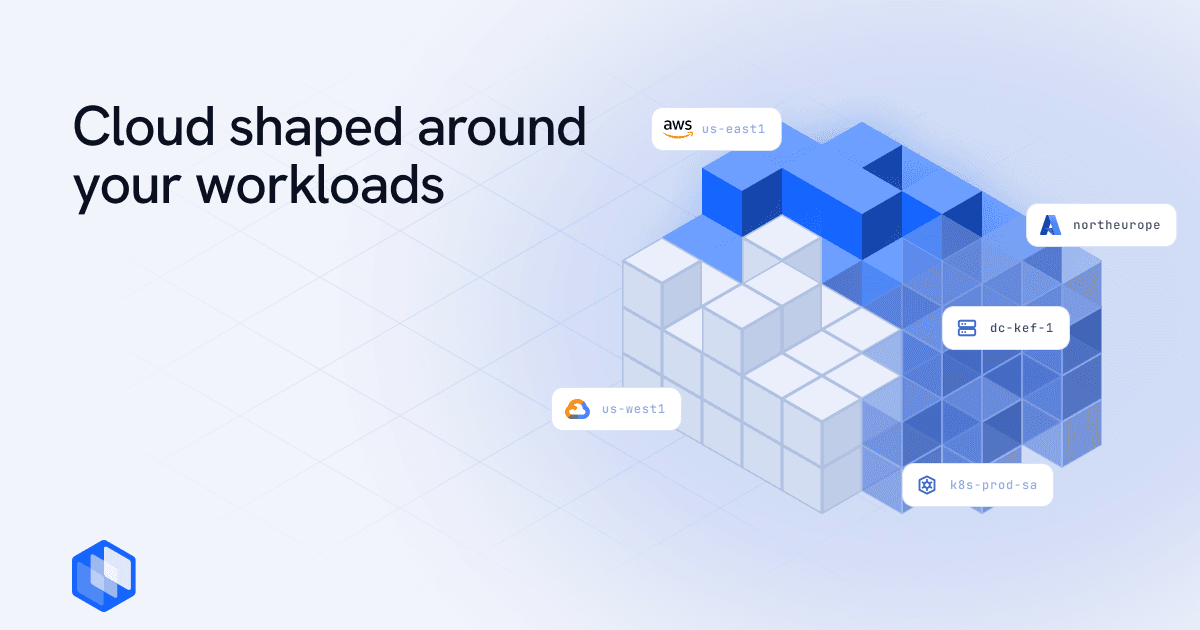
The shape of your cloud infra is changing a few years ago, nobody was asking where their inference layer should run. Now it’s on the roadmap, or already in production and costing more than anyone budgeted. Or perhaps you’ve built an agent infrastructure that spins up on a request and vanishes by midnight. Or you
Blog
From the Control Plane blog
Cloud-native engineering, multi-cloud strategy, and platform deep-dives.
All posts
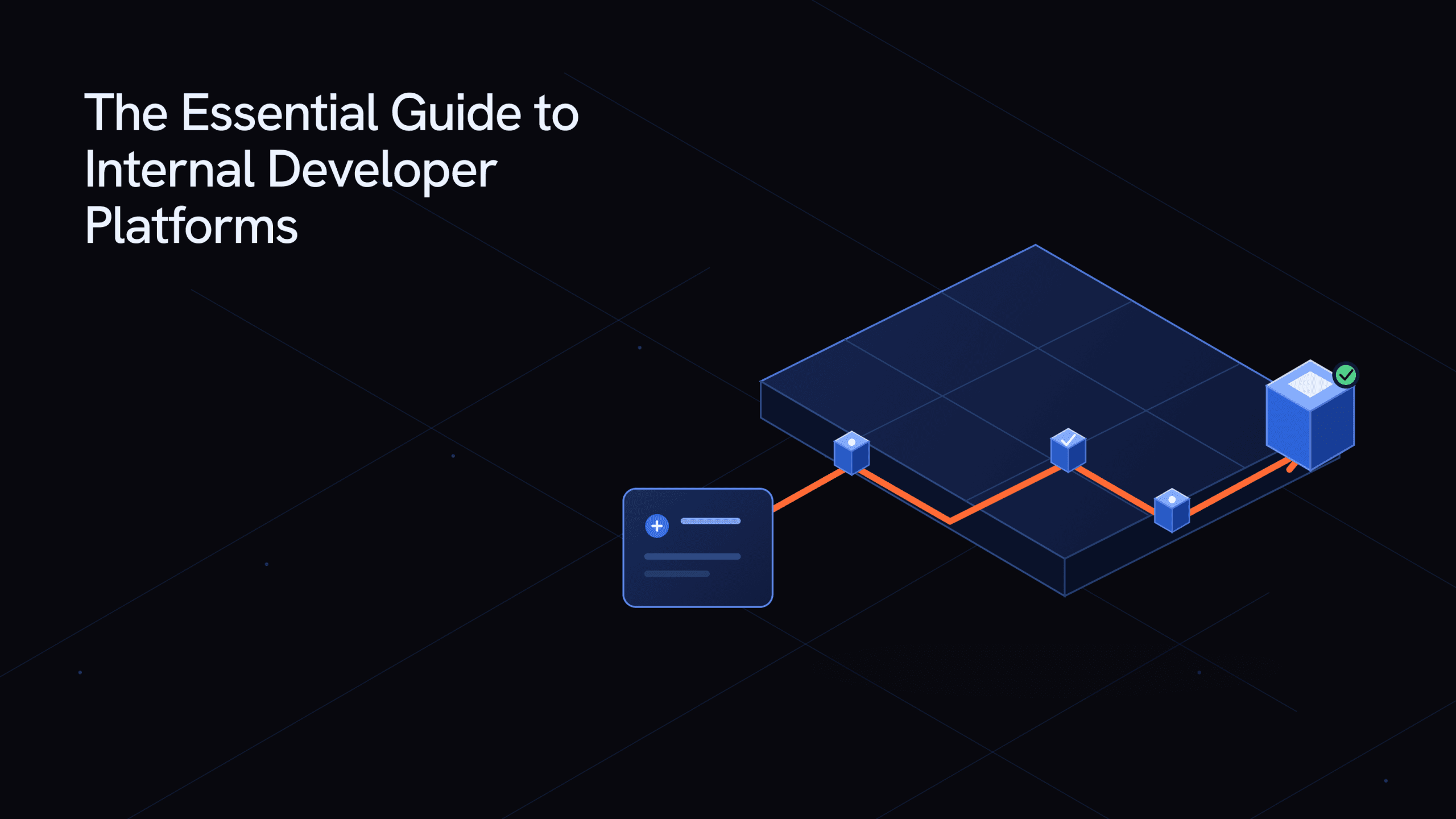
Internal Developer Platforms (IDPs) bridge the gap between Platform Engineering and developers, offering a self-service interface streamlining development workflows. Discover more with Control Plane.
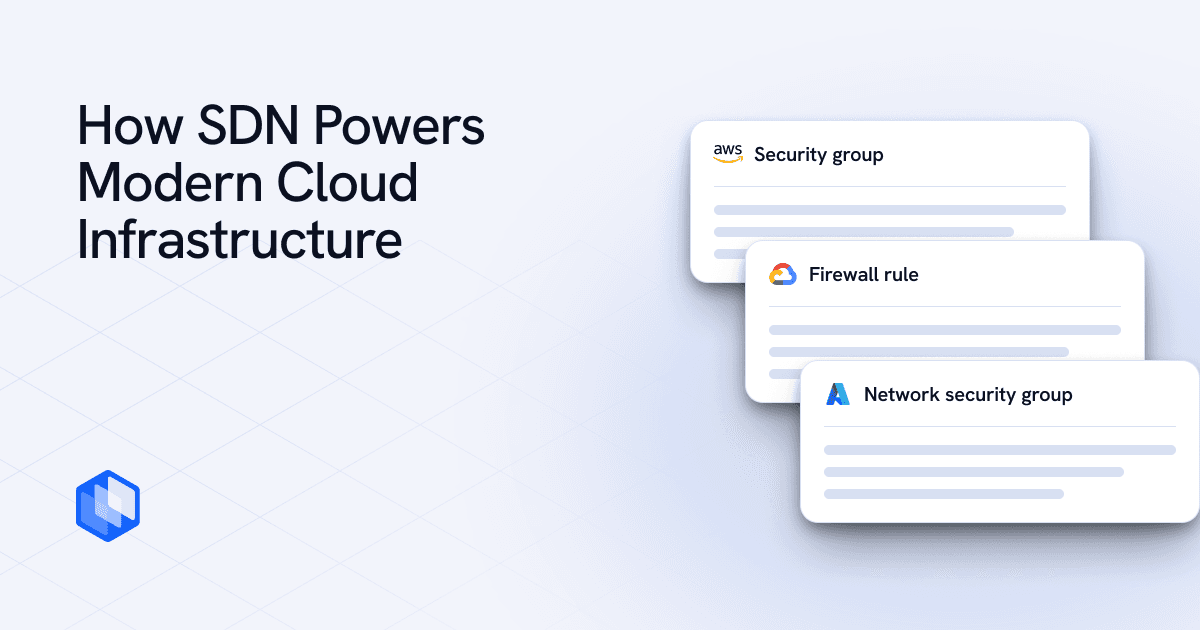
Every cloud writes networking its own way, so multi-cloud turns into three rulebooks you maintain forever. This guide breaks down network virtualization and SDN from the overlay up, then shows how one abstraction layer collapses that mess into a single policy model.
Between February and April 2026 we shipped two related capability sets: domain mirroring (route a copy of real traffic to a second workload while users still see only the primary’s response), and GVC-level geo-routing controls (named knobs for which region serves a user and what happens when a region is unhealthy). Domain mirroring — testing
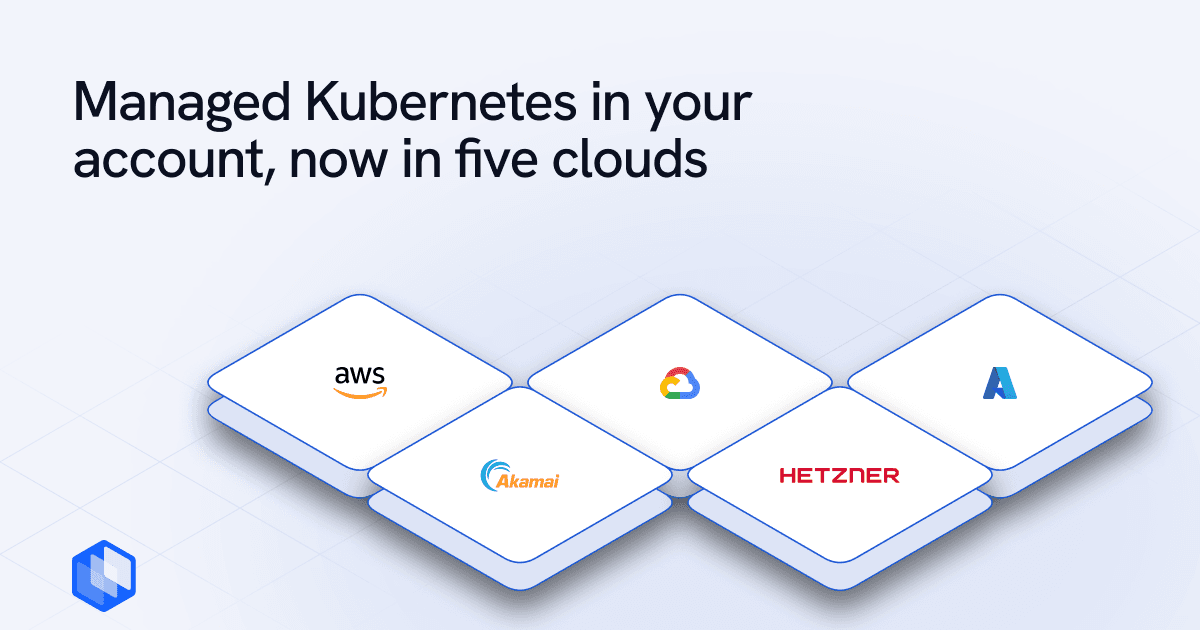
Until about a year ago, if you wanted Control Plane to manage Kubernetes on your own cloud account, we only supported AWS. Managed Kubernetes is now available on AWS, GCP, Azure, Akamai Cloud (Linode), and Hetzner. It’s the same core API and operational model across providers, with a consistent workflow for upgrades, networking, and observability.
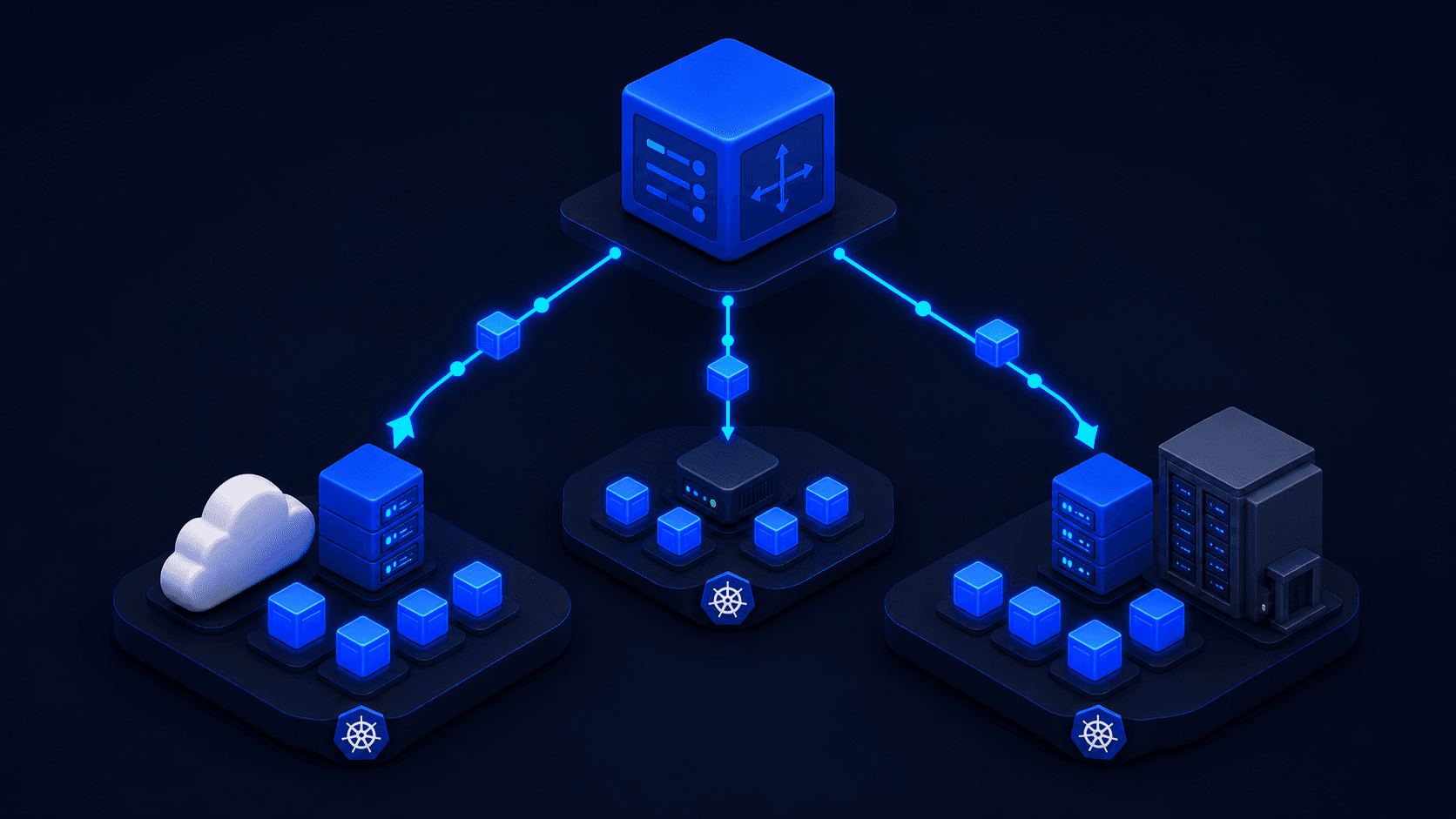
Kubernetes is built to manage workloads within a cluster—but multi-cloud deployments introduce new challenges. Learn how container orchestration works across AWS, GCP, and Azure, why scheduling and service discovery stop at cluster boundaries, and what a multi-cloud orchestration layer adds.
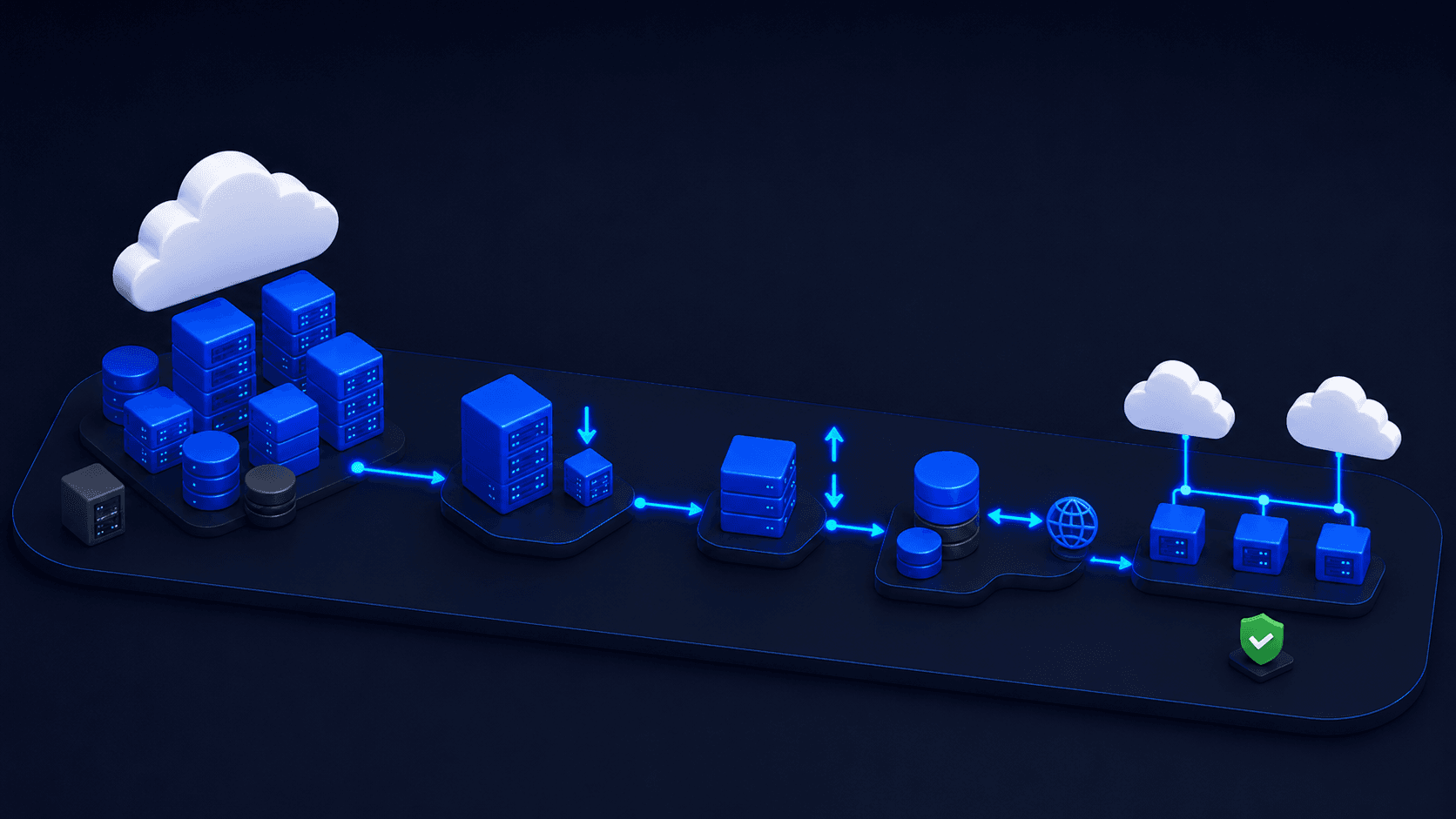
Discover 10 cloud cost optimization strategies that reduce spend across AWS, GCP, and Azure. Learn the order to audit idle resources, right-size workloads, automate scaling, optimize egress, and purchase commitments—so savings compound rather than stall.
DevOps bridges the gap between development and operations, aiming to shorten the system development life cycle while delivering features, fixes, and updates closely aligned with business objectives. Discover more with Control Plane.
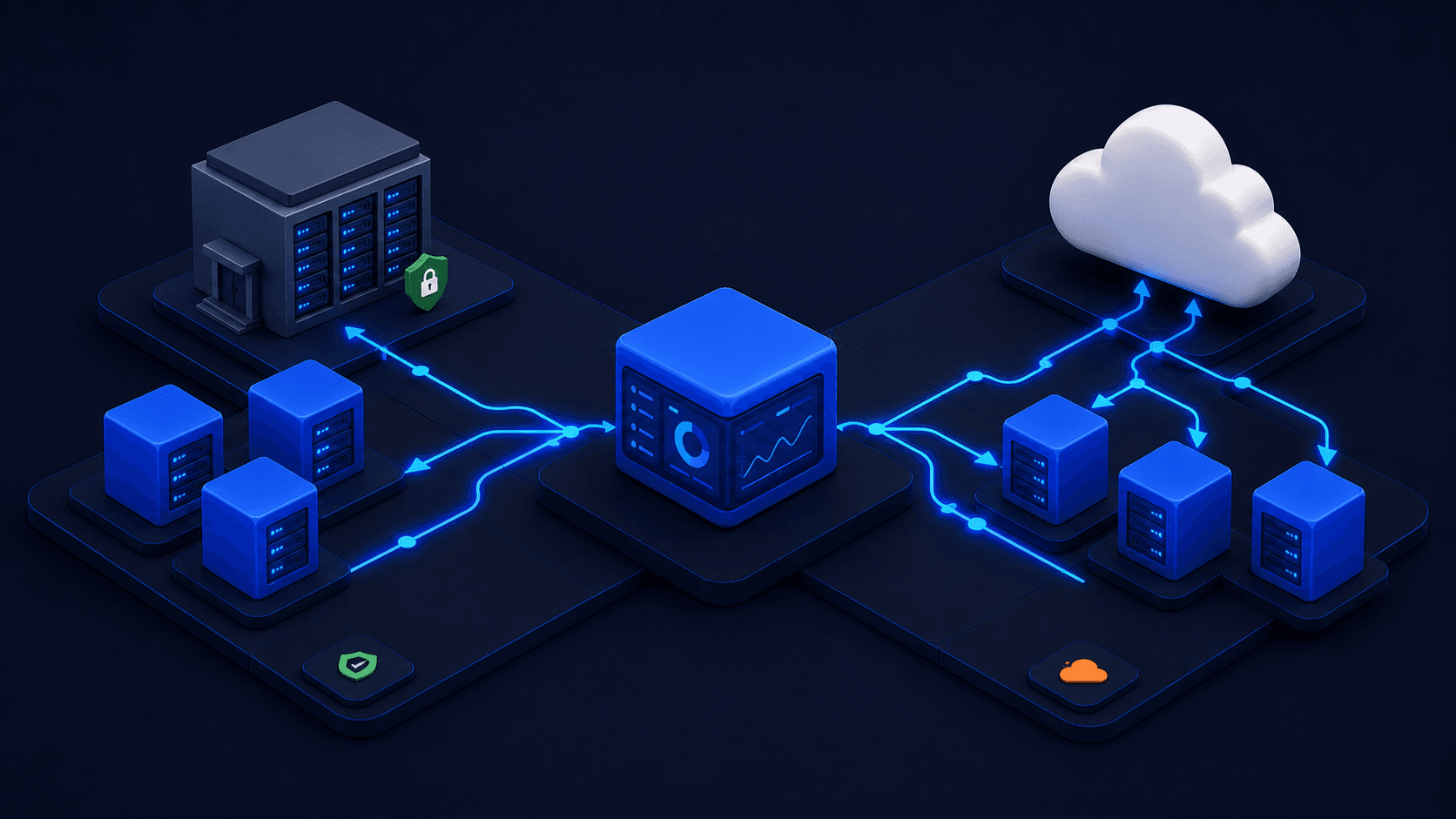
Hybrid cloud orchestration is the practice of managing workload placement, identity federation, and observability across multiple cloud providers and on-premises infrastructure through a single control layer, rather than handling each environment separately with its own tooling. Most teams don’t plan to end up with a fragmented hybrid cloud setup — it just grows that way.
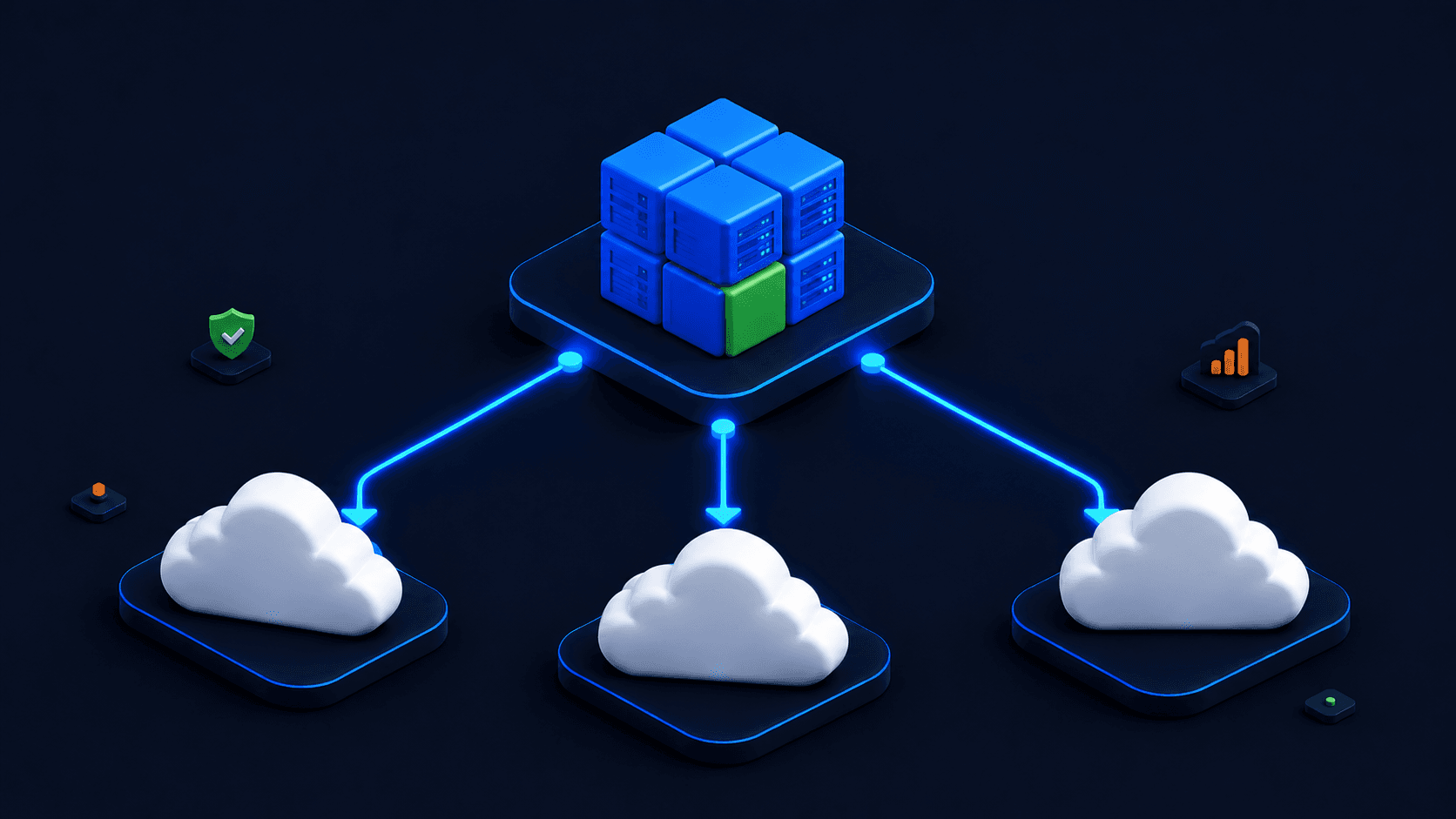
Running on Kubernetes does not make your app portable. The decisions you make in the first six weeks, like how you split services, where state lives, and how you handle config, are what keep your system from getting locked into one provider. This guide covers the 12-factor factors that matter most, microservices decomposition, declarative infrastructure, and observability you build in from the start.
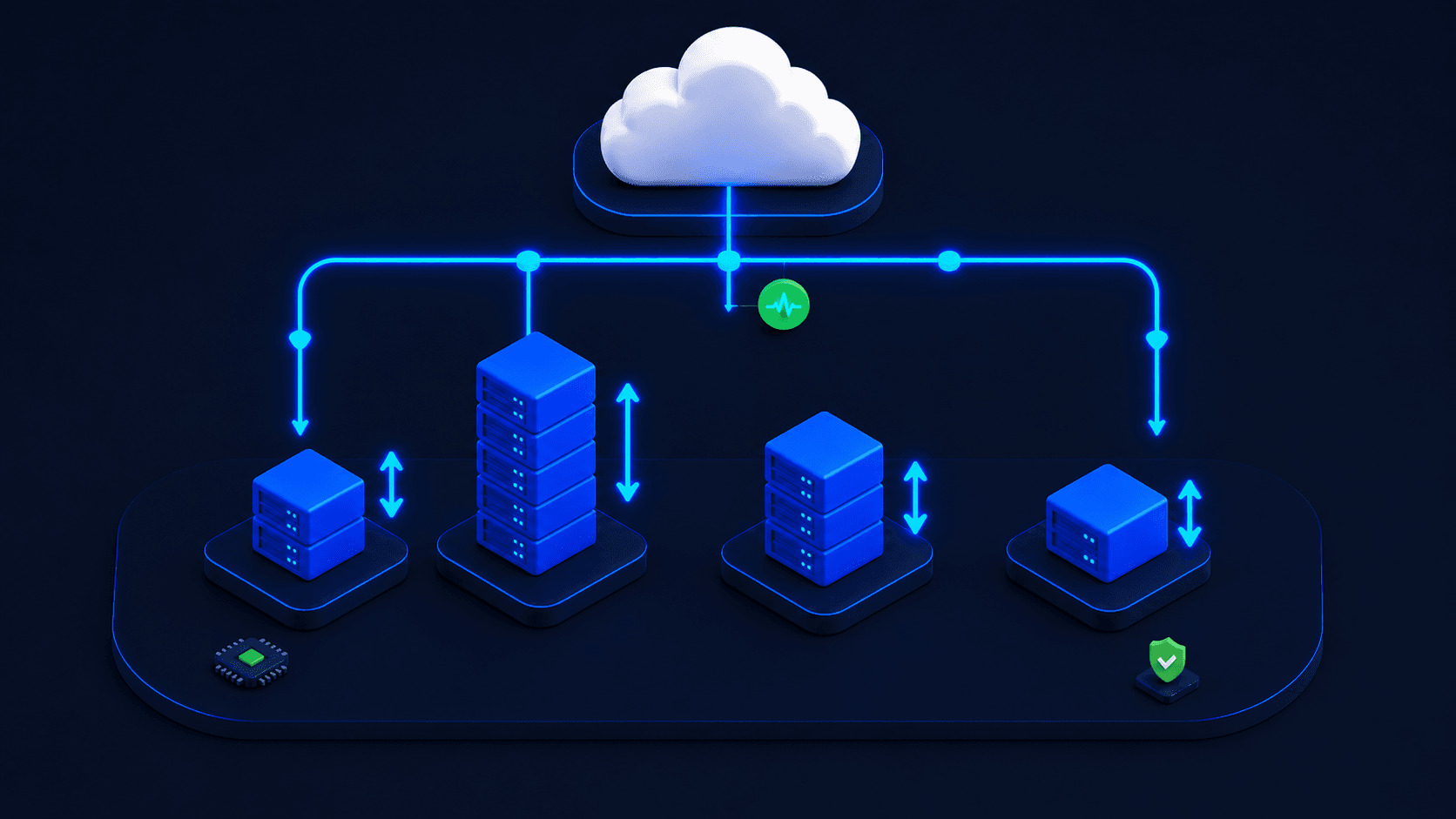
Most Control Plane customers cut their compute bill 30–50%. Those results are based on two distinct autoscaling systems — Capacity AI for autonomous right-sizing, and KEDA for event-driven scaling — and a year of releases that turned both into something you can run aggressively in production. This post walks through both, then explains how they
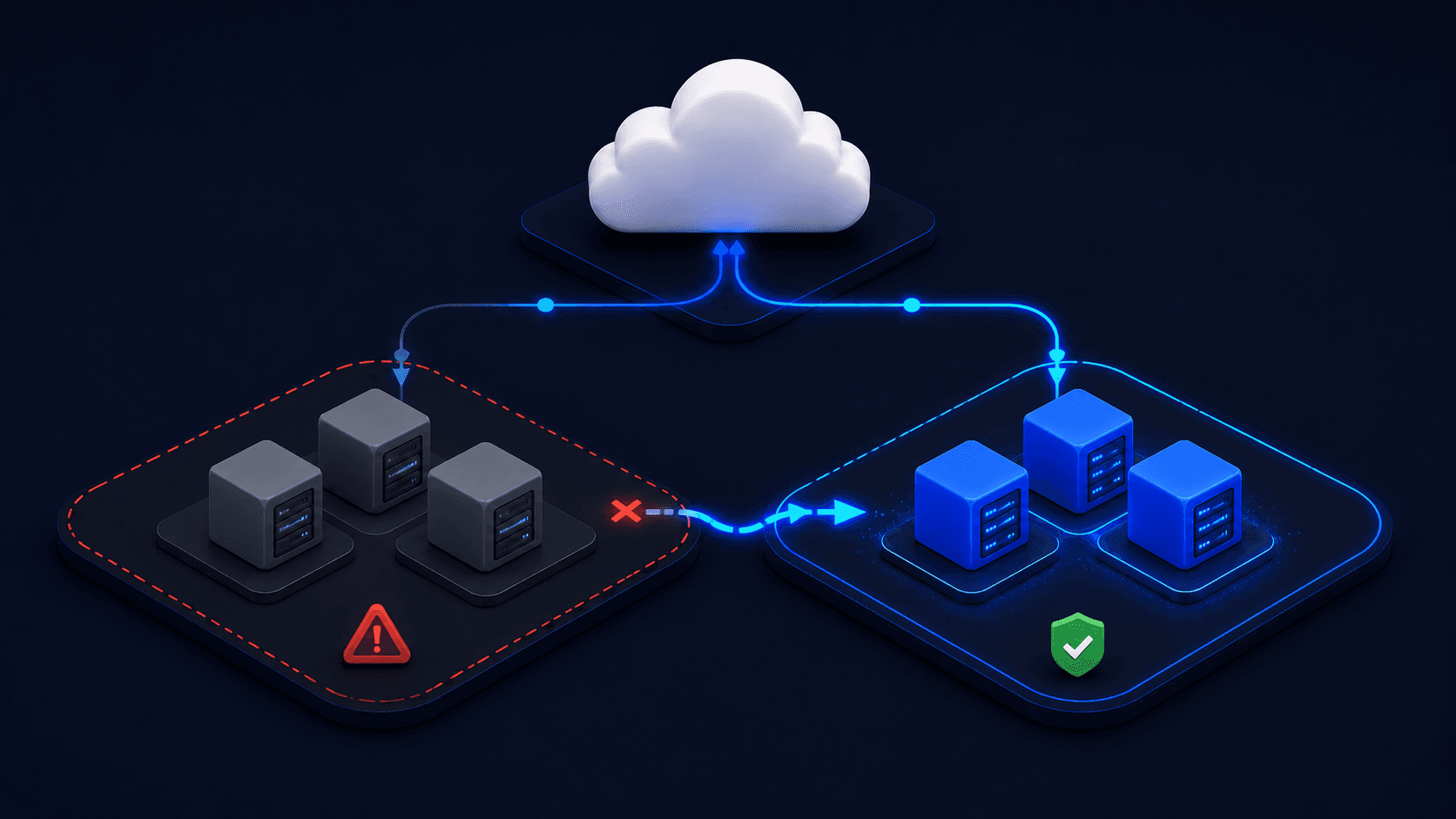
Running live workloads across AWS, GCP, and Azure at once changes what disaster recovery means for your team. This guide covers RTO and RPO targets mapped to three workload tiers, 3-2-1 backup architecture for stateful data, priority-based DNS failover with routing tiers, and runbooks built around automated detection rather than a human noticing something is wrong.