Beyond Backups: Designing Systems That Survive the Inevitable
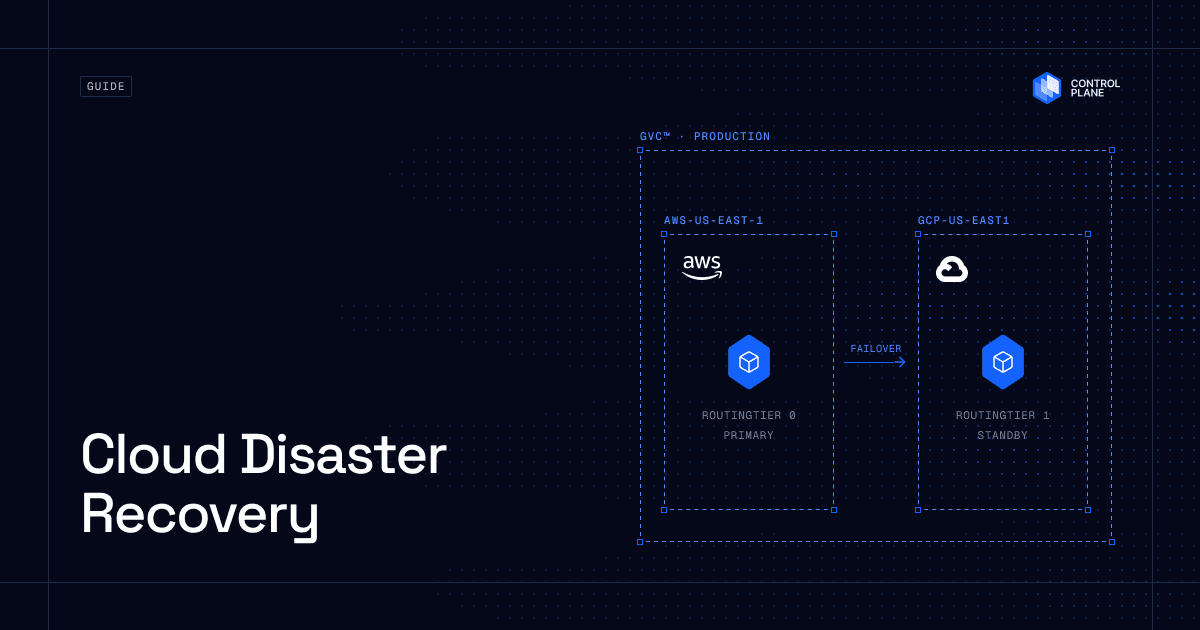
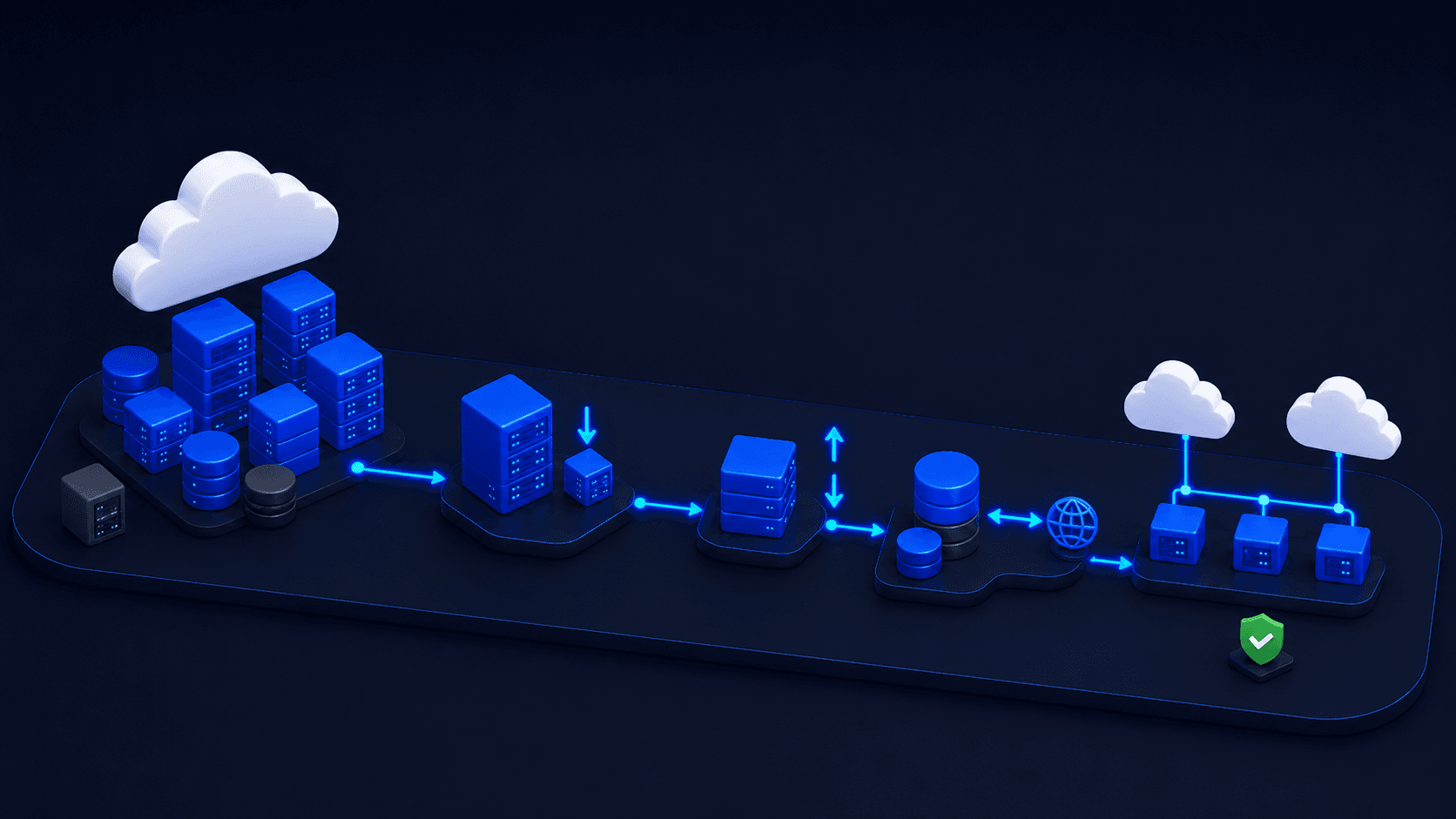
During the October 20th AWS outage, not one Control Plane customer went down. Here’s the architecture that made that possible, and how to assess your own.
Blog
Cloud-native engineering, multi-cloud strategy, and platform deep-dives.

During the October 20th AWS outage, not one Control Plane customer went down. Here’s the architecture that made that possible, and how to assess your own.

Most disaster recovery plans quietly assume the cloud provider itself stays up. This guide covers tier-appropriate RTO/RPO targets, failover patterns from pilot light to active-active, and how a multi-cloud topology survives a provider-level outage.

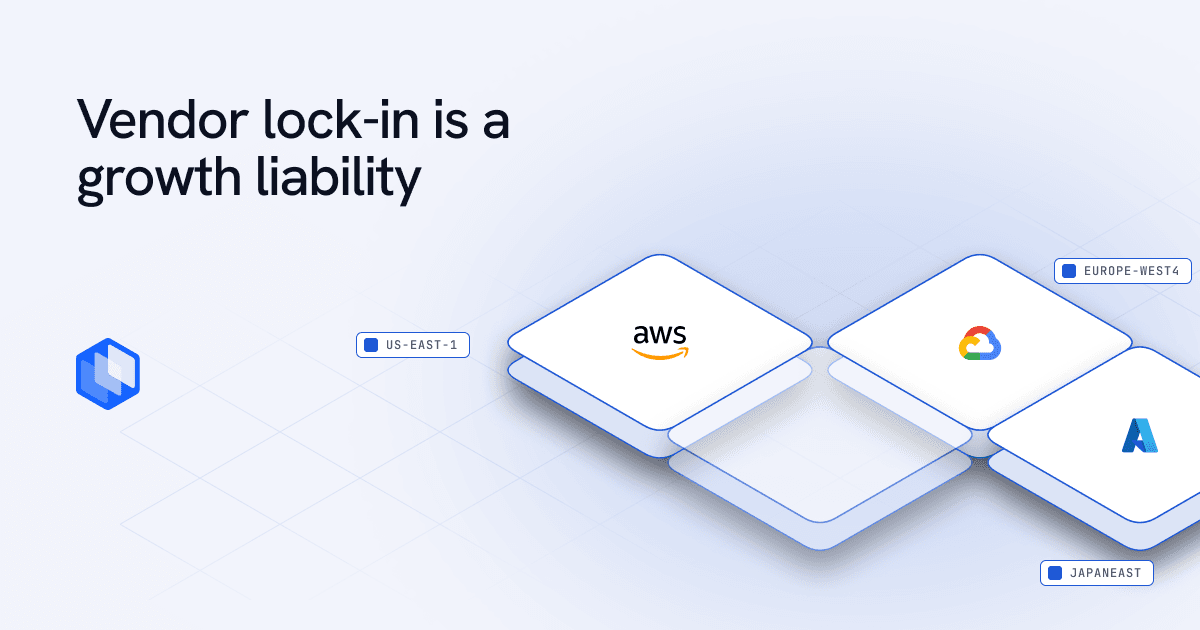
Multi-cloud is about more than uptime. A composable multi-cloud strategy helps engineering teams avoid operational lock-in, meet data residency requirements, and retain leverage as cloud spend grows.

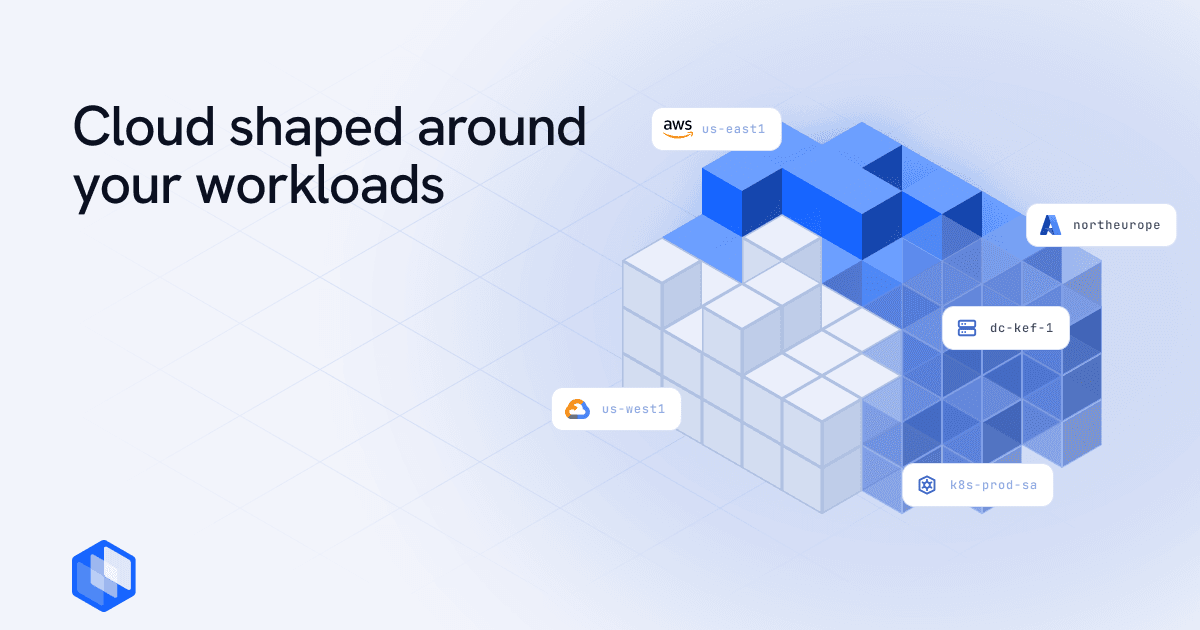
The shape of your cloud infra is changing a few years ago, nobody was asking where their inference layer should run. Now it’s on the roadmap, or already in production and costing more than anyone budgeted. Or perhaps you’ve built an agent infrastructure that spins up on a request and vanishes by midnight. Or you

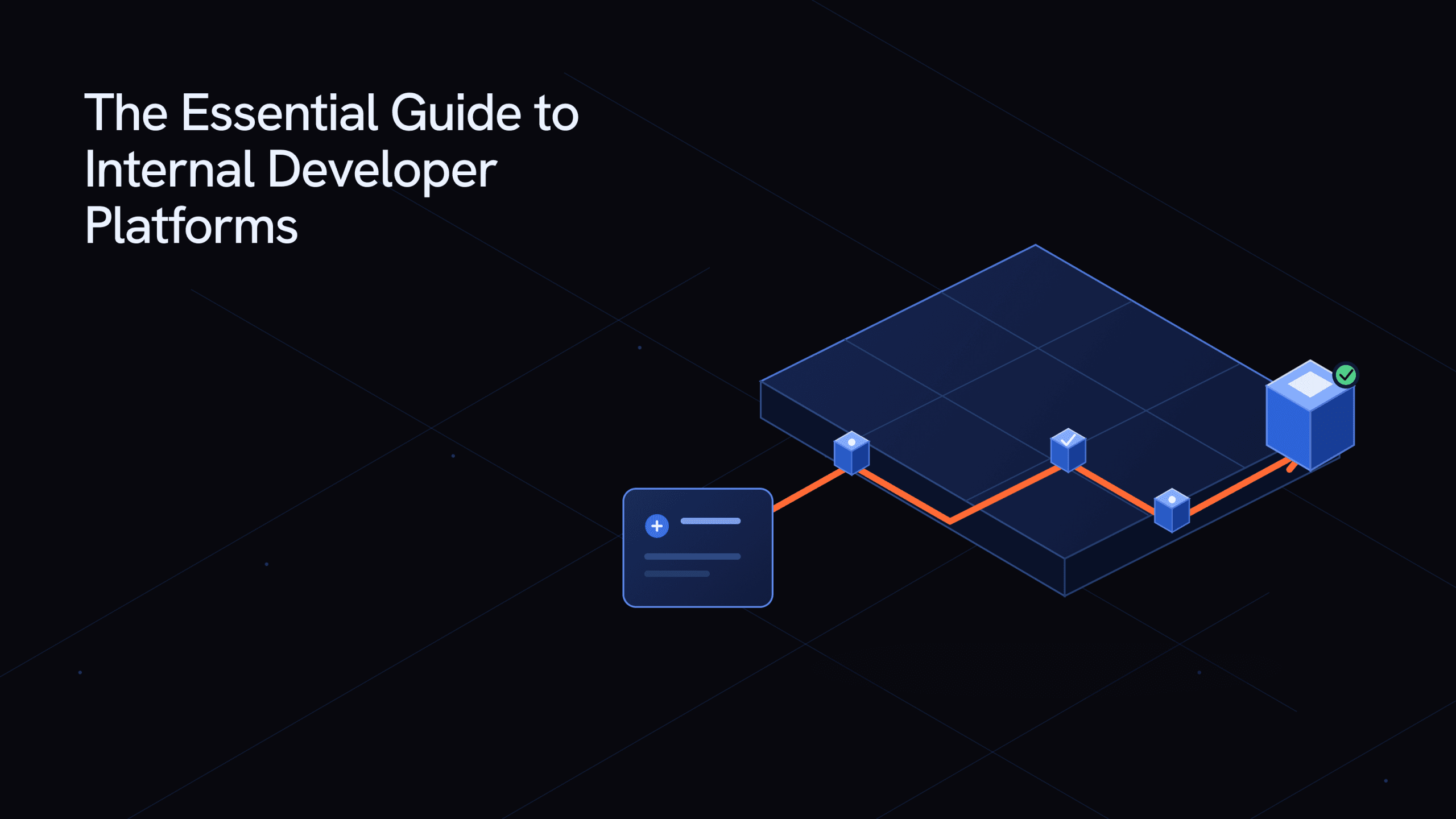
Internal Developer Platforms (IDPs) bridge the gap between Platform Engineering and developers, offering a self-service interface streamlining development workflows. Discover more with Control Plane.

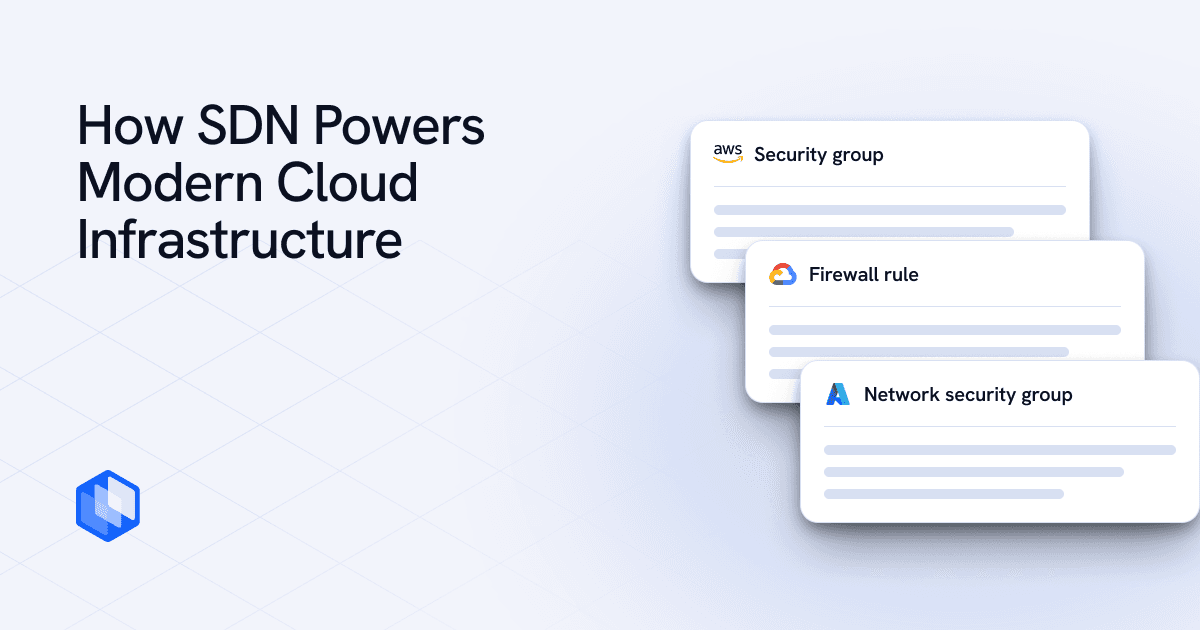
Every cloud writes networking its own way, so multi-cloud turns into three rulebooks you maintain forever. This guide breaks down network virtualization and SDN from the overlay up, then shows how one abstraction layer collapses that mess into a single policy model.

Between February and April 2026 we shipped two related capability sets: domain mirroring (route a copy of real traffic to a second workload while users still see only the primary’s response), and GVC-level geo-routing controls (named knobs for which region serves a user and what happens when a region is unhealthy). Domain mirroring — testing

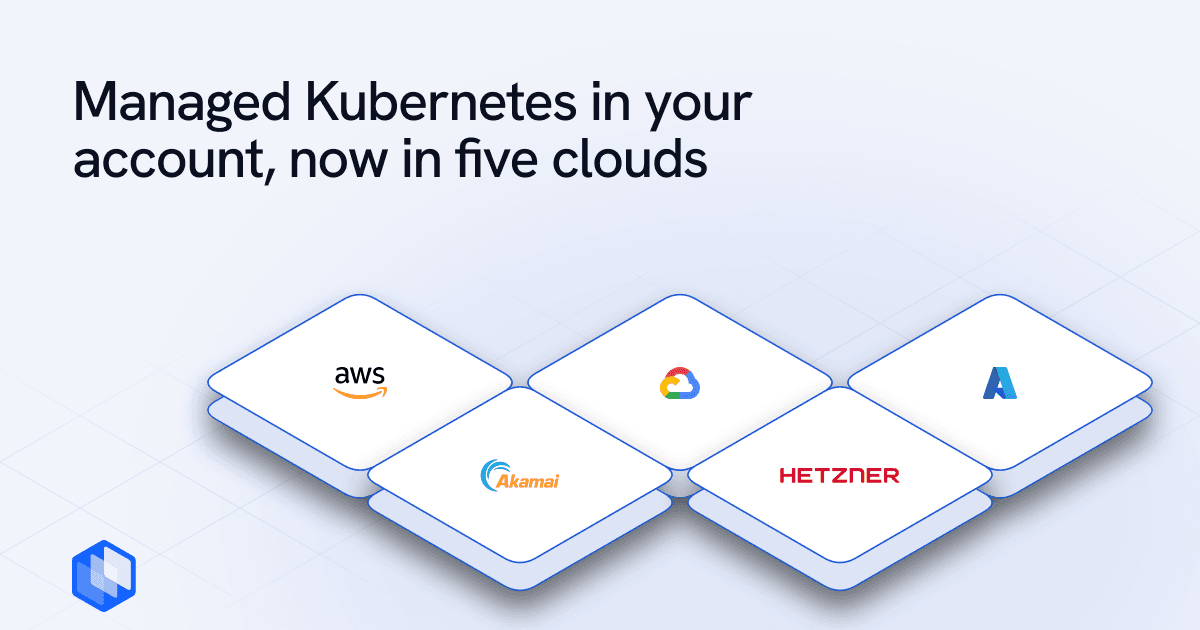
Until about a year ago, if you wanted Control Plane to manage Kubernetes on your own cloud account, we only supported AWS. Managed Kubernetes is now available on AWS, GCP, Azure, Akamai Cloud (Linode), and Hetzner. It’s the same core API and operational model across providers, with a consistent workflow for upgrades, networking, and observability.

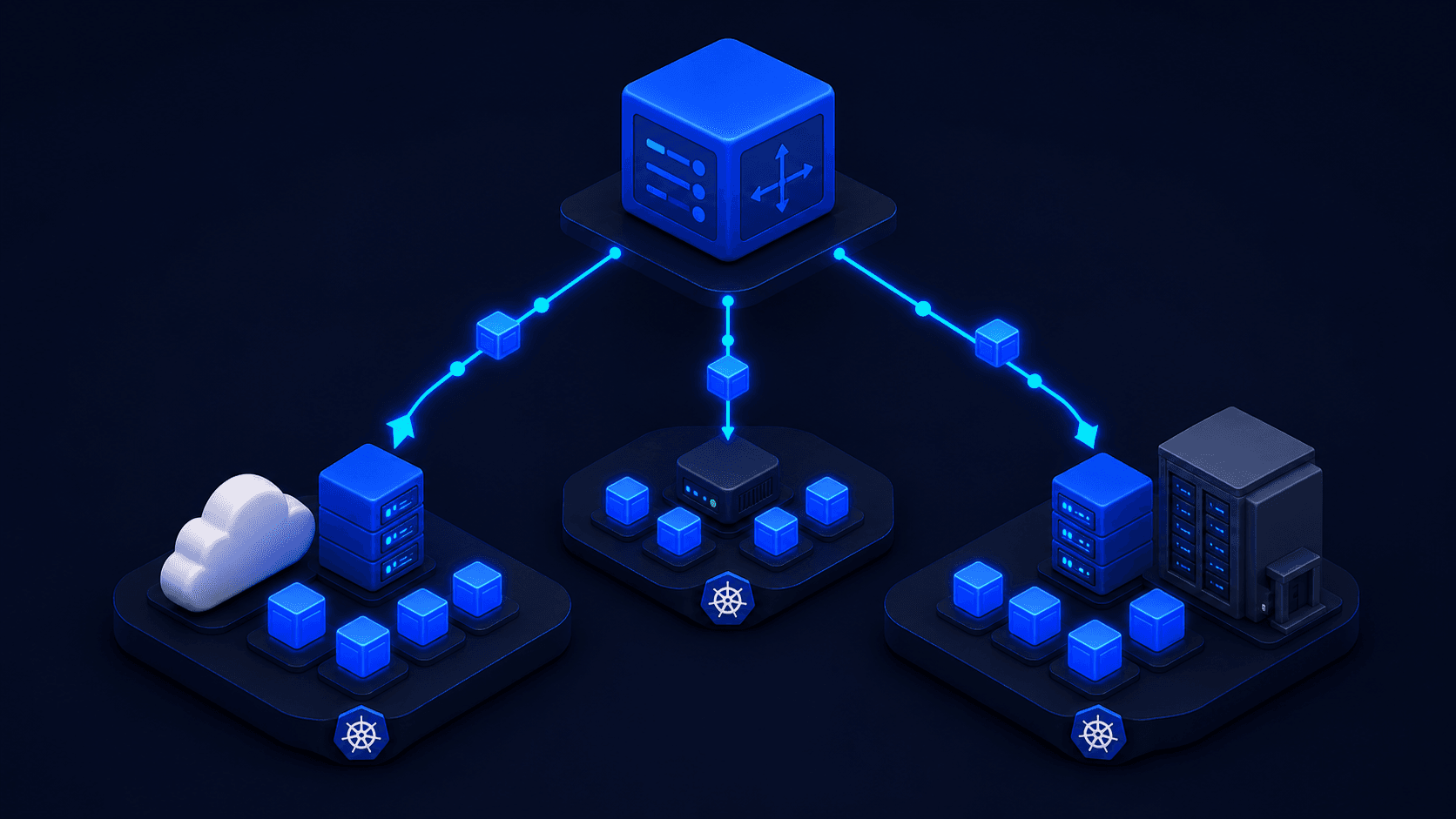
Kubernetes is built to manage workloads within a cluster—but multi-cloud deployments introduce new challenges. Learn how container orchestration works across AWS, GCP, and Azure, why scheduling and service discovery stop at cluster boundaries, and what a multi-cloud orchestration layer adds.

Discover 10 cloud cost optimization strategies that reduce spend across AWS, GCP, and Azure. Learn the order to audit idle resources, right-size workloads, automate scaling, optimize egress, and purchase commitments—so savings compound rather than stall.